
The Wellness Escape: Why Dehradun’s Planned Communities Are Redefining Luxury Living in 2026
SEO Title: Wellness Communities in Dehradun | Luxury Lifestyle Plots 2026
Meta Description: Discover why discerning buyers, NRIs, and investors are choosing Dehradun’s low-density wellness communities over crowded metros. Strategic location + serene lifestyle + investment potential.
Introduction: The Accessibility Paradox
There’s a strange contradiction happening in India’s luxury real estate market right now. While property prices in Delhi-NCR continue climbing toward the stratosphere, a new class of sophisticated buyers is asking a different question: Why am I paying premium prices to stay in a city I’m trying to escape?
The Delhi-Dehradun Expressway has done something unexpected. By cutting travel time from 6.5 hours to just 2.5 hours, it hasn’t made Dehradun feel like a suburb of Delhi—it’s made Delhi itself feel negotiable.
Today’s luxury buyer doesn’t want proximity to chaos. They want proximity to possibility. A weekend getaway that’s still accessible. A retirement destination that doesn’t disconnect them entirely. An investment that appreciates precisely because it sits at the intersection of accessibility and escape.
This is the story of why Dehradun has become the most strategic real estate decision a buyer can make in 2026—and it has almost nothing to do with traditional location metrics.
Part 1: The Market Reality—Why Dehradun Is Outpacing Traditional Metros
The Numbers Behind the Boom
Dehradun’s real estate market isn’t just growing. It’s accelerating at a pace that rivals metro cities while maintaining fundamentally different economics.
Since 2023, property appreciation in premium Dehradun zones has been striking:
- Kulhan: 70% growth
- Mussoorie Road: 45% growth
- Sahastradhara Road: 35% growth
These aren’t speculative markets. Government circle rates have been revised upward by 20-25% across the board, with premium locations seeing increases exceeding 100%—a clear signal of structural demand, not temporary hype.
But here’s what makes Dehradun fundamentally different from alternative investment destinations like Goa or Mussoorie: You can buy a premium residential plot in Dehradun for roughly 17% of what an equivalent plot costs in Delhi-NCR.
That’s not a discount on a lesser product. That’s a market inefficiency. And in real estate, market inefficiencies correct—always.
The Buyer Profile Has Changed
The luxury residential plot buyer of 2026 is no longer someone’s uncle wanting a “future” investment he’ll never visit. The market has matured. Today’s buyer is:
- NRIs seeking roots and returns simultaneously—not just investment vehicles, but places to retire, host family, and generate rental income
- High-net-worth individuals escaping metro life—professionals in their 45-55 range ready to redefine their quality of life
- Second-home strategists—people who recognize that weekend accessibility plus investment potential equals intelligent diversification
- Institutional investors watching population shifts and infrastructure bottlenecks
NRI investments in Indian holiday homes increased over 30% in 2024 alone. That’s not nostalgia driving the market. That’s capital allocation shifting toward places that combine lifestyle, stability, and appreciation.
Part 2: The Wellness Imperative—Why “Luxury” Now Means Something Different
The Post-COVID Redefinition of Home
There was a moment—somewhere in 2022—when the real estate industry realized it had been selling the wrong thing.
Buyers weren’t just looking for bigger homes. They were looking for better lives. And those are fundamentally different products.
The luxury residential projects launching across India’s Tier-1 and Tier-2 cities aren’t competing on square footage anymore. They’re competing on their ability to deliver what psychiatrists call “environmental wellness”—the measurable reduction in stress, cortisol levels, and burnout that comes from living in spaces intentionally designed around human well-being.
Gated plotted communities are leading this shift because they solve a problem metros never could: how to deliver privacy, security, and community simultaneously.
Modern wellness-integrated communities feature:
- Biophilic design principles—native vegetation, walking trails, water features designed to lower stress by 15% (documented in Lancet studies on urban greenery)
- Meditation and mindfulness zones—not as afterthoughts, but as core infrastructure
- Fitness integration—yoga pavilions, reflexology paths, open-air fitness zones where exercise becomes lifestyle, not obligation
- Social architecture—community gardens, gathering spaces, and event infrastructure that builds belonging (something apartments structurally prevent)
- Technology layering—smart systems for water/air quality, adaptive lighting, and integrated community management
The crucial insight: Wellness amenities aren’t add-ons anymore. They’re the primary value proposition.
42% of large-scale township launches in India now include integrated wellness features. This isn’t 5% of developments. This is the industry baseline shifting. Projects without wellness integration are starting to look like they’re from the last decade.
Why This Matters for Investors
Here’s the non-obvious part: wellness-focused properties appreciate faster and hold value better than traditional residential projects.
Properties in developments emphasizing sustainability and wellness command 10-15% price premiums over comparable conventional projects. More importantly, they show stronger rental demand and higher occupancy rates—particularly for NRI investors seeking managed rental properties.
The global wellness real estate market is projected to reach $7.7 billion by 2030. India is transitioning from being a consumer of this trend to being a producer.
Part 3: Why Dehradun, Specifically (Not Mussoorie. Not Goa. Not NCR.)
The Location Intelligence Problem
Most buyers choose secondary real estate based on romantic notions. “I love the mountains.” “I love the beach.” “I’ve always wanted a Himalayan getaway.”
These are feelings, not strategies.
Strategic buyers think in layers:
Accessibility Layer: How does this balance between being “away” and remaining “connected”?
- Mussoorie is picturesque but operationally distant (2.5+ hours from Delhi, curvy roads)
- Goa is aspirational but economically specific (seasonal tourism, limited employment)
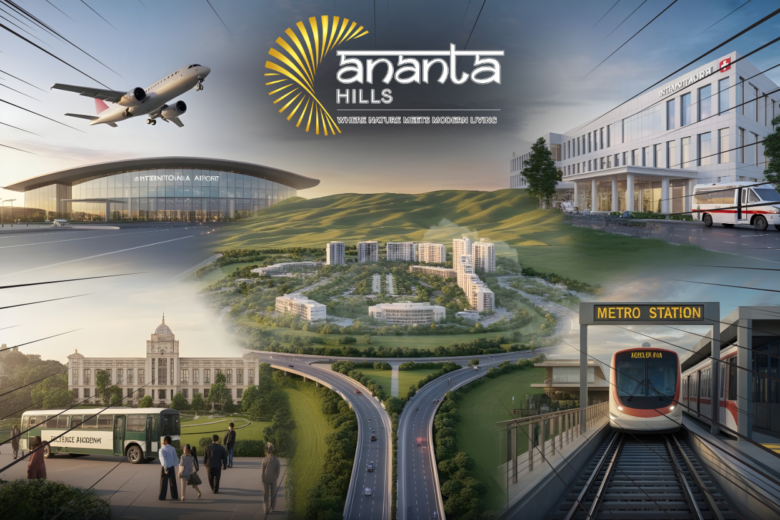
- Dehradun hits a sweet spot: 2.5 hours from Delhi via expressway (acceptable weekend commute), yet positioned as the gateway to Uttarakhand’s cultural and spiritual tourism
Infrastructure Layer: Is this location benefiting from public investment?
- Dehradun has Smart City designation
- Major infrastructure projects planned (ISBT upgrades, expressway connectivity, airport enhancements)
- Educational hub status (presence of elite institutions creates stable demographic demand)
Population & Employment Layer: Who lives here, and why?
- Dehradun has genuine economic diversification (education, tourism, IT services, government offices)
- No single industry dependency (unlike hill stations that live or die with tourism seasons)
Investment Velocity Layer: Is capital flowing here, or just flowing through?
- Circle rate revisions (+20-25%) signal structural demand
- Developer interest from major national players (not just local builders)
- Institutional capital exploring the market
The Dehradun Differential: It’s the only major Himalayan foothill city that combines accessibility with genuine development momentum. It’s not “escaping to nature.” It’s “choosing a better life while retaining professional opportunity.”
The Safety & Quality of Life Factor
Research from the Dainik Jagran + KPMG study consistently ranks Dehradun as the safest city in North India. That’s not a marketing claim—it’s institutional research.
Pollution levels run significantly lower than Delhi, Gurugram, or Chandigarh. Green coverage is measurably higher. The climate is moderate year-round (hot but not oppressive, cold but not extreme).
For retirees and second-home buyers, these aren’t luxuries. They’re functional requirements. A property is only worth buying if you’ll actually visit it—and you’ll only visit if the environment supports the lifestyle you’re seeking.
Part 4: The Investment Reality Check—Returns Beyond Appreciation
What You’re Actually Buying
When buyers discuss “investment” in Dehradun plots, they’re usually thinking about one metric: appreciation.
But that’s an incomplete picture. Plot-based investments in emerging luxury destinations generate returns through multiple channels:
Capital Appreciation: Property values in premium Dehradun zones have appreciated 35-70% over the last three years. With infrastructure acceleration, experts project continued appreciation of 12-15% annually, particularly in gated communities positioned for the wellness tourism wave.
Rental Income Potential: A luxury plot in a well-developed gated community can generate meaningful rental income through multiple models:
- Vacation home rentals (peak tourism season, Char Dham pilgrimage traffic)
- Long-term rentals to corporate professionals relocating to Dehradun
- Managed hospitality (farm stays, wellness retreats)
NRI investors specifically are drawn to these properties because managed rental services allow them to generate income without on-site management.
Structural Tailwinds: The Delhi-Dehradun Expressway completion is a 7-10 year runway that will progressively compress travel time and increase property accessibility. That compression historically precedes significant appreciation waves.
Infrastructure completion typically precedes property appreciation by 18-36 months. For buyers entering now, that represents a window where valuations haven’t yet fully reflected infrastructure benefits.
The Wellness Tourism Wave
Dehradun’s position at the intersection of multiple tourism corridors (Rishikesh pilgrimage, Mussoorie hill station, Char Dham yatra) is creating a new category of property demand: wellness tourism real estate.
Properties that can serve dual purposes—personal vacation use plus managed hospitality during owner absence—are seeing accelerated appreciation and superior rental yields.
Gated plotted communities with clubhouse and wellness infrastructure are ideally positioned for this dual-use economics. They’re neither pure residential (like apartment societies) nor pure commercial (like hotels). They operate in the high-yield space between.
Conclusion: The Shift Toward Intelligent Living Investment
The real estate market of 2026 is no longer asking: “What’s the cheapest price per square foot?”
It’s asking: “What’s the quality of life per rupee invested, and does that investment appreciate over time?”
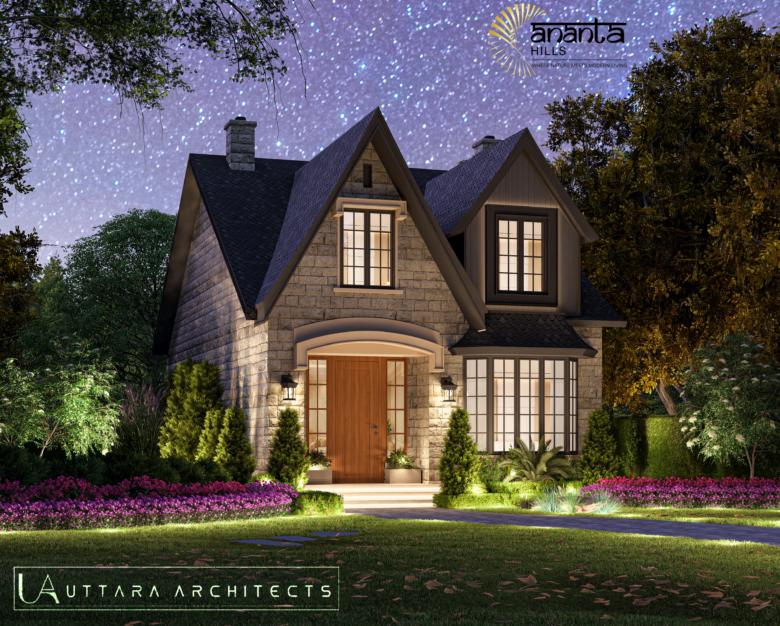
Dehradun, and developments like Ananta Hills within it, represent a fundamental shift in how luxury is being redefined in India. It’s no longer about proximity to metros. It’s about distance from chaos. It’s no longer about density of amenities. It’s about density of wellness.
For the buyer who recognizes that the best investment is one that improves your daily life while improving your financial position, Dehradun’s wellness communities represent exactly that convergence.
The market data supports it. The demographic trends support it. The infrastructure trajectory supports it. And increasingly, buyer behavior is validating it.
The question isn’t whether Dehradun will appreciate. It’s whether you’ll recognize the opportunity before the market fully prices it in.
Ready to Experience Strategic Living?
This is a moment in the market cycle when information and timing align. We’ve invited you into the strategic thinking behind why Dehradun matters.
The next logical step is to experience the opportunity directly.
Schedule a Site Visit or Explore Ananta Hills to see how a planned, low-density wellness community actually feels—not through marketing narratives, but through direct experience.
For serious investors and buyers, we offer:
- Private consultations with project specialists
- Detailed investment analysis and appreciation modeling
- Introductions to NRI support services (documentation, compliance, ongoing management)
- Direct access to project architects and planners
Your strategic window is open. Visit Ananta Hills and experience where refined living meets intelligent investment.